

Why do dental implants fail? Most of the time, it’s one of a few specific things: an infection around the implant called peri-implantitis, not enough bone to support proper integration in the first place, too much force on the implant before it fully fused, or smoking interfering with healing. True rejection, where your immune system attacks the titanium itself the way it might reject a transplanted organ, is extremely rare. Titanium is biologically inert and almost never triggers that kind of response. Most “rejection” people describe is actually one of the more mechanical or infection-related causes above.
That distinction matters, because it changes what you can actually do about it. Here’s what failure looks like, why it happens, and what comes next if it happens to you.
Can Dental Implants Fail? How Common Is It Really?
Yes, but less often than people assume. Most research puts overall implant failure somewhere between 5 and 10%, meaning roughly 90 to 95% of implants succeed long-term. How often do dental implants fail tends to depend heavily on specific risk factors rather than being a flat rate that applies evenly to everyone. Smokers, patients with uncontrolled diabetes, and cases involving insufficient bone density see notably higher failure rates than patients without those factors.
Failures also cluster into two distinct timeframes. Early failure happens in the first few months, usually tied to the implant not integrating properly with the bone. Late failure happens years after a successful initial healing period, usually tied to peri-implantitis developing slowly around an otherwise stable implant. The causes, and the warning signs, differ between the two.
What Causes Dental Implants to Fail
A handful of factors account for the overwhelming majority of cases.
- Insufficient bone at placement. If there wasn’t enough bone density or volume to begin with, the implant may not achieve the stability it needs for proper osseointegration, the process where bone fuses to the implant surface. This is part of why imaging and planning matter so much before surgery ever happens.
- Peri-implantitis. An infection of the gum and bone tissue around the implant, similar to periodontal disease around a natural tooth. Left untreated, it progressively destroys the bone supporting the implant until there’s not enough left to hold it in place. This is the leading cause of late implant failure.
- Excessive force before healing completes. Biting too hard on an implant, or grinding teeth at night without protection, before the bone has fully integrated can disrupt the healing process and prevent proper fusion.
- Smoking. Nicotine reduces blood flow to the healing site and impairs immune function, both of which slow integration and raise infection risk substantially.
- Poorly controlled diabetes or other systemic conditions. Anything that affects blood flow or healing capacity broadly tends to affect implant integration specifically.
- Surgical or positioning error. Less common with modern guided surgery, but an implant placed at a poor angle or in a position that puts it under abnormal load can fail even with otherwise good bone and healing.
Dental Implant Rejection Rate: What the Numbers Actually Mean
The phrase “dental implant rejection rate” gets used loosely online, often interchangeably with general failure rate, even though true rejection of dental implants by the immune system is rare enough that most published statistics aren’t really measuring that at all. What’s actually being measured in most studies is overall implant failure for any reason, which lands in that 5 to 10% range mentioned earlier.
A small subset of patients do have a documented titanium allergy or sensitivity, which can cause inflammation and failure that resembles rejection more closely. This is uncommon, but it’s part of why some implant providers offer zirconia implants as an alternative material for patients with a known or suspected titanium sensitivity.
Signs of Dental Implant Rejection or Failure
A few specific signs of a failed dental implant tend to show up, and recognizing them early changes how manageable the situation is.
Persistent pain at the implant site, especially pain that’s increasing rather than settling down over time, is one of the clearer warning signs. Swelling or visible inflammation around the gum line that doesn’t resolve, or that keeps recurring, is another.
Implant mobility, meaning the implant itself feels loose or shifts when you press on it, is a serious sign that integration has failed or that significant bone loss has occurred around it. This is different from a loose crown sitting on top of a stable implant, which is a much simpler fix.
A bad taste or odor that doesn’t go away, sometimes accompanied by pus or discharge near the gum line, points toward an active infection. Gum recession that exposes part of the implant surface is also worth flagging, since it can create an easier path for bacteria to reach the area.
If you notice any of these and the situation feels urgent, particularly significant pain, swelling, or what looks like an active infection, this is the kind of thing an emergency dental service should see the same day rather than waiting for a routine appointment slot.
What Happens If a Dental Implant Fails
The path forward depends on when the failure is caught and how far it’s progressed.
Early-stage peri-implantitis is often treatable. Deep cleaning around the implant, sometimes combined with antibiotics, can resolve the infection and stabilize the implant before significant bone loss occurs. This is the best-case scenario, and it’s a big part of why catching symptoms early changes the outcome so much.
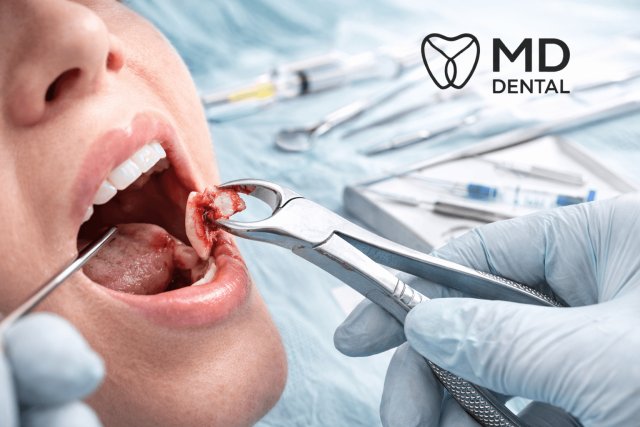
More advanced cases, where bone loss has already progressed significantly or the implant has become mobile, usually require removal of a failed dental implant. The removal procedure itself is generally less involved than the original placement surgery, since there’s no longer healthy bone resistance holding the implant firmly in place the way there was during a successful integration.
After removing failed dental implants, the surgical site typically needs time to heal, and often some form of bone grafting, before a new implant can go in. This adds months to the timeline, but it doesn’t mean implants are permanently off the table. Many patients who’ve had a failed implant successfully get a replacement once the underlying cause, whether that’s an infection, insufficient bone, or a controllable health factor, has actually been addressed.
Worried About Symptoms You’re Noticing?
If something feels off around an existing implant, the smartest move is getting it looked at rather than monitoring it yourself and hoping it resolves. MD Dental offers a free consultation for dental implants, where we can evaluate what’s actually happening and lay out next steps clearly, whether that’s a straightforward cleaning or something more involved.
How to Lower Your Risk of Implant Failure
A few things meaningfully reduce the odds of running into trouble in the first place.
Proper diagnostic imaging before placement catches bone issues before they become a problem during healing rather than after. Quitting smoking, even temporarily around the time of surgery and through the healing period, significantly improves integration odds. Managing diabetes or other systemic conditions with your physician before and during treatment makes a bigger difference than most patients expect going in.
Consistent oral hygiene around the implant, including the specific tools designed for cleaning around implant posts, and regular professional cleanings catch peri-implantitis early, when it’s still treatable rather than after it’s progressed. A night guard for anyone who grinds their teeth protects the implant from the kind of excessive force that can disrupt healing or wear down a crown prematurely.
The Bottom Line
Dental implants failing is uncommon, generally in the range of 5 to 10%, and true immune rejection of the titanium itself is rarer still. Most reasons for dental implant rejection that people describe online are actually identifiable, often preventable causes: infection, insufficient bone, excessive force, or factors like smoking and uncontrolled health conditions that affect healing. Reasons for dental implants fail are usually mechanical or biological problems with a clear cause, not a mysterious rejection of the material.
If you’re dealing with symptoms around an existing implant, or you’re worried about your own risk before getting one placed, an actual evaluation tells you far more than general statistics ever could. MD Dental, providing implant dentistry in Fort Lauderdale, Pompano Beach, can look at your specific situation and either address a developing problem early or help you plan a new implant with the right precautions in place from the start.