Key Takeaways
- Dental crowns may last 5-15+ years
- Porcelain crowns often last 10-15 years with proper care
- Zirconia and gold crowns have longer life spans
- Teeth grinding and forceful biting can damage crowns
- Pain, cracks, or a loose crown are the signs your crown needs to be checked
- Never try to fix a loose crown yourself, go to your dentist
- Good oral care helps a crown last longer
Take good care of it and follow your dentist’s instructions, and a crown can last up to 15 years. The material sets its own limit, though. Porcelain usually gives you ten to fifteen years, zirconia more than fifteen, and gold or another metal can reach twenty.
Thinking about a crown your dentist suggested, but not sure how long it will actually last or when it might need replacing? Start here. Below: which materials hold up best, the signs that a crown is done, and answers to the questions patients ask most.
What is a Dental Crown?
A crown is a cap shaped like a real tooth, and it’s an integral part of restorative dentistry. Your dentist puts it over a tooth that’s damaged or has been through heavy treatment, like a root canal. Sometimes it simply covers a weak tooth to protect it.
A crown is made to look like your real tooth. It restores the tooth’s shape, makes it stronger, and lets it work properly again. It sits over the tooth with no gap, absolutely snug, and that seal is what keeps the weak tooth underneath protected.
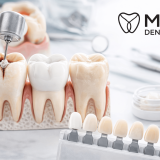
When choosing a material for your crown, you have a few options. The common ones are porcelain, zirconia, and metals like gold.
With proper care a crown can sit there for years without a single issue. Eventually, though, most crowns need repair or replacement.
Dental Crown Lifespan: Does Material Matter?
Yes, material matters, though it’s not the only thing that decides how long a crown lasts. Knowing how porcelain and zirconia compare on lifespan helps you pick the right one for your needs. Here’s how the options stack up.
Porcelain Crowns:
Porcelain looks the most natural. It can be matched to the color of the teeth next to it, which makes it ideal for visible teeth like the front ones. The trade-off is chipping: bite down hard on the wrong thing and it can crack, though that depends on the type of ceramic and how it’s used. A porcelain crown can last 10-15 years. One comparison worth making first: if the tooth underneath is healthy and only the front surface bothers you, porcelain veneers cover just that surface and leave the rest of the tooth alone.
Zirconia Crowns:
Zirconia is the strong one, and it lasts 10-15+ years. It can handle even the heaviest bite forces without much trouble. Strong doesn’t mean indestructible, though. It can still be damaged.
Gold Crowns:
Gold crowns are stronger than most materials. One can last 15-20+ years. The metal shrugs off wear, which is why it’s commonly used on back teeth.
PFM Crowns:
A porcelain-fused-to-metal crown (PFM) tries to give you both: the strength of metal and the natural look of porcelain over it. They last about 5-15 years and work on front and back teeth, though the porcelain can sometimes chip and expose the metal underneath.
Get a professional opinion from your dentist.
How Long Do Dental Crowns Last: What Factors Affect Crown Longevity?
Material isn’t the whole story. A few other things decide how long a crown actually lasts.
Oral hygiene:
If you want your crown to last, keep up good oral hygiene, the way your dentist showed you. Regular brushing and flossing help keep plaque and bacterial infection away.
Biting Force:
How strong is your bite? Do you chew hard, bite into an apple without thinking, or clench your teeth often? All that pressure lands on the crown, and it can damage it.
Tooth Condition:
If the tooth under the crown is already weak, decayed or fractured, that crown is going to need a lot of care.
The Fit of the Crown:
If a crown doesn’t fit right, plaque and food start collecting around its edges. Over time that buildup causes damage.
Signs Your Crown Needs Replacing
Your crown has probably been in place a while, but sooner or later it will need repair or replacement. Maybe it has loosened. Maybe it’s worn. Even a little plaque buildup can do harm. The signs to watch for: tooth pain or sensitivity, a bad taste in the mouth, or a crown that feels loose. There are several more below.
The Crown Doesn’t Fit Anymore
A crown is supposed to sit on your tooth like a glove. Sometimes it starts to feel a little loose instead. Usually that’s because the cement has dissolved or washed out, or the tooth has shifted slightly. If that crown pops out, don’t try to put it back yourself, and definitely don’t do your own dentistry.
There are Surface Cracks:
Spot a crack or a chip? Keep an eye on it. A big crack means replacement, because food gets stuck in it and plaque follows. Go easy on that side until you can get to the clinic and have it replaced.
Are You in Pain?
Does the crown hurt when you bite down, or do you get that hot or cold zing near it? Something’s wrong: a gum problem, a crack, or decay under the crown. See your dentist and get it taken care of.
Does the Food Get Stuck?
Food keeps getting trapped at the edge of the crown when you chew? Frustrating, and a sign in itself. There may be a crack, or the crown may no longer fit properly. If it doesn’t fit, you’ll need a new one.
Gum Around the Tooth Is Swollen or Bleeding
Swelling or bleeding around the crown? A bit red? The crown’s edge may be irritating the gum, or plaque may be building up where it shouldn’t.
Noticed any of these around your crown, or just suspect something’s off? Don’t wait. Get it examined. There’s no reason to put up with it.
What Happens During Dental Crown Replacement?
So what does replacing one actually involve?
There are several steps, but no single fixed procedure. Conditions vary, and the type of crown matters too.
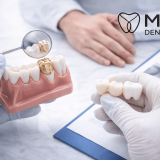
First the dentist checks the crown to see what the problem is. Then the old crown comes off, and the tooth and gum underneath get checked. If either is unhealthy, that gets treated before anything else happens. Once the tooth is healthy, the dentist scans it or takes an impression to design the replacement. When the new crown is ready, it’s checked for fit, appearance and bite, then secured in place.
The whole replacement usually takes a couple of visits.
Keep up a good oral care routine and regular checkups so the crown gets looked at. Don’t bite down hard on it, and avoid very hard, very cold or very hot foods. If you notice any discomfort, tell your dentist.
Visit us if you need dental care or have a crown that hurts. A checkup will show what’s going on. Book a dental consultation today.
Frequently Asked Questions
How long do dental crowns last?
Usually between five and fifteen years, and some last longer than that. It depends on the material, how well you keep your teeth clean, how you bite, and the condition of the tooth underneath.
What are the signs your crown needs replacing?
Look for a crown that feels loose, cracks or chips you can see, pain when you bite, or food that keeps getting stuck around the edges. Any of those is a reason to have your dentist examine it and decide whether it needs a repair or a replacement.
Which lasts longer porcelain or zirconia crowns?
Both can last many years. Zirconia crowns are very strong; porcelain crowns look the most natural. How long either lasts depends on the material, the design, how well the crown fits, and how well you care for your teeth.
Can a dental crown last 20 years?
Sometimes, yes, twenty years or more. Not always. Keeping your teeth clean, seeing the dentist regularly, and not chewing things like ice all help a crown stay in good condition.
Does a painful crown always need to be replaced?
No, it doesn’t. Pain can come from decay, gum disease, a crack, or a problem with the nerve inside the tooth. Your dentist has to find the cause first, then decide whether the crown needs a repair or a replacement.