

A toothache has a way of taking over everything. It can wake you up at 2 a.m., make it hard to focus at work, and turn a simple meal into something you dread. If you are searching for an emergency dentist for tooth pain, the most important thing to know is this: severe or sudden tooth pain is rarely something to wait out. Pain is your body’s warning signal, and in dentistry, that signal often means the problem is already advanced.
When tooth pain becomes a dental emergency
Not every toothache needs same-hour treatment, but many cases do need prompt professional care. Pain that is sharp, throbbing, constant, radiating into the jaw, or worsening quickly can point to infection, deep decay, nerve inflammation, a cracked tooth, gum abscess, or trauma. If the pain is keeping you from sleeping, eating, or functioning normally, it is no longer a minor inconvenience.
There are also signs that raise the urgency. Swelling in the gums, cheek, or jaw can indicate infection spreading beyond the tooth itself. A bad taste in the mouth, fever, sensitivity that lingers long after hot or cold exposure, or pain when biting down may suggest the tooth’s internal nerve or surrounding tissues are involved. In those situations, early treatment is not just about comfort. It can help protect the tooth, surrounding bone, and overall health.
Why severe tooth pain should not be ignored
A painful tooth does not usually heal on its own. Sometimes the pain fades temporarily, but that is not always good news. In some cases, it means the nerve inside the tooth has become severely damaged or died, while the infection remains active below the surface.
This is where dentistry becomes more than a quick fix. The real goal is to identify why the pain started and stop the process causing it. A small cavity may only need a filling if caught early. Wait too long, and the same tooth may require root canal therapy, a crown, or even extraction if the structure can no longer be saved. That difference matters clinically, financially, and emotionally.
For patients who already have older dental work, the issue may be more complex. A cracked crown, failing filling, hidden fracture, bite imbalance, or infection under a previous restoration can all create intense pain. The right emergency exam looks beyond the symptom and evaluates the tooth in the context of your whole bite, gum health, and long-term stability.
What an emergency dentist for tooth pain looks for
Tooth pain can come from several sources, and the treatment depends on the diagnosis. That is why a proper emergency visit is about more than prescribing antibiotics or recommending pain relief.
A dentist will typically assess the tooth, surrounding gums, bite pressure, and any visible swelling or damage. Diagnostic imaging may be needed to see decay between teeth, infection at the root, a fracture line, bone loss, or impacted teeth. Some painful conditions are straightforward. Others are deceptively subtle.
For example, pain when chewing might come from a cracked tooth that is not visible to the eye. Sensitivity to cold could be reversible irritation, or it could be a sign that the nerve is inflamed beyond recovery. Referred pain can even make one tooth feel like the problem when another tooth is actually responsible. Precision matters because the wrong treatment can delay relief.
Common causes of urgent tooth pain
Deep decay is one of the most common causes, especially when bacteria reach the inner pulp of the tooth. Infection can create pressure inside the tooth and surrounding bone, leading to severe throbbing pain.
Cracked or fractured teeth are another frequent reason patients seek urgent care. A crack may start small, but once it affects the inner layers of the tooth, pain can become sudden and intense, particularly with chewing.
Abscesses are especially serious. They often cause swelling, tenderness, and persistent pain, and they require timely treatment to prevent the infection from spreading. Wisdom teeth, advanced gum disease, trauma, and failing restorations can also trigger emergency-level discomfort.
What you can do before your appointment
If you are waiting to be seen, focus on protecting the area and keeping the situation from getting worse. Rinse gently with warm salt water to soothe irritated tissues and help keep the mouth clean. If there is swelling, a cold compress on the outside of the cheek can help reduce inflammation.
Over-the-counter pain medication may help temporarily if you are medically able to take it, but it is not a substitute for treatment. Avoid placing aspirin directly on the gum or tooth, which can irritate soft tissue. Try not to chew on the painful side, and avoid very hot, very cold, sugary, or hard foods that can trigger more pain.
If a tooth has broken, save any pieces if possible and bring them with you. If swelling is increasing rapidly, you have trouble swallowing, or you feel feverish or unwell, seek immediate care right away. Those symptoms can signal a more serious infection.
Treatment depends on the cause, not just the pain
This is where experience and comprehensive capability make a real difference. Emergency care should relieve pain quickly, but it should also create a path toward lasting stability.
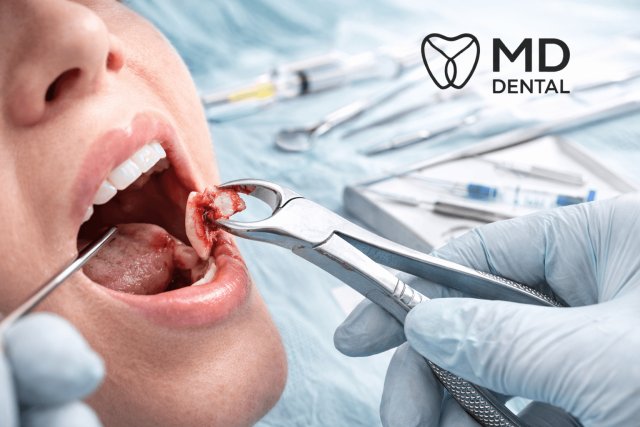
In some cases, the solution is conservative. A filling, bite adjustment, or replacement of a damaged restoration may resolve the issue. If the nerve is infected or inflamed beyond healing, root canal treatment may be the best way to save the natural tooth while eliminating pain. When a tooth is too damaged to restore predictably, extraction may be necessary.
That is also where the quality of follow-through matters. Losing a tooth affects more than appearance. It can change bite function, jawbone support, chewing efficiency, and the balance of your smile. For some patients, the emergency is the first visible sign of a larger restorative issue. A practice with advanced restorative and implant expertise can help you move from urgent relief to a well-planned long-term solution instead of a cycle of temporary fixes.
The role of comfort-focused emergency care
People often delay urgent treatment because they are anxious about the appointment itself. That is understandable, especially when pain is already high. A calm environment, gentle technique, clear communication, and sedation options when appropriate can completely change the experience.
For anxious patients, comfort is not a luxury. It is part of successful care. When patients feel supported, they are more likely to come in sooner, accept necessary treatment, and avoid the kind of delay that turns a manageable problem into a more invasive one.
Choosing the right emergency dental provider
When you are in pain, speed matters. But so does range of care. An office that can diagnose accurately, treat urgent conditions efficiently, and handle both straightforward and complex restorative needs offers a major advantage.
That is particularly important in South Florida, where busy professionals, families, and seasonal residents often want one trusted dental home rather than fragmented care. If the painful tooth needs endodontic treatment, a crown, extraction, implant planning, or a broader rehabilitation strategy, continuity matters. You want a team that sees the immediate issue and the bigger picture.
At MD Dental, emergency dentistry is approached with that larger standard in mind – rapid relief, precise diagnosis, and treatment that supports long-term health, function, and confidence.
When to call immediately
Some situations should be treated as urgent without hesitation. Severe, persistent tooth pain is one. Swelling of the face or gums is another. You should also call right away if the tooth pain follows trauma, if you have a broken tooth with exposed inner structure, if pain suddenly becomes intense after dental work, or if pressure when biting feels sharp and localized.
There is some nuance here. Mild sensitivity for a day or two after a procedure may be normal. Brief discomfort with cold foods may not require emergency treatment. But if the pain is escalating, lingering, waking you up, or accompanied by swelling, it is safer to be evaluated promptly.
The best emergency dental care does more than stop today’s pain. It protects what can be saved, prevents complications, and helps you return to daily life feeling like yourself again. If your tooth is hurting badly enough to make you search for answers, trust that signal and get it checked. Acting early is often the difference between a simpler repair and a much bigger problem.