

Are dental implants covered by insurance? Mostly no, at least not fully. Most standard dental insurance plans classify implants as cosmetic or elective, which means they exclude the implant post itself, or cover only a small portion of the total cost. Some plans cover parts of the process, like the crown or the extraction, while leaving out the surgical placement. A smaller number of plans offer meaningful partial coverage, particularly when tooth loss is tied to an accident or a documented medical condition.
That’s the honest, short version. The longer version, the one that actually matters when you’re trying to budget for treatment, involves understanding exactly how dental implants covered by dental insurance works in practice, what’s typically excluded, which plans are worth checking, and what options exist if your coverage falls short.
Why Dental Insurance Treats Implants Differently
Most dental insurance plans were designed decades before implants became a mainstream treatment option. The category structures in most policies still reflect that: preventive care gets the best coverage, basic restorative work gets moderate coverage, and anything considered “major” or “cosmetic” gets the least, if any.
Implants often fall into a gray area. The surgical placement of the post is sometimes classified as a major procedure subject to a waiting period and a lower reimbursement percentage. The crown on top might be covered under a different category entirely. And many insurers still list implants explicitly as excluded, full stop, regardless of why the tooth was lost.
This is the root of the confusion. Can dental insurance cover implants at all? Sometimes, yes. But coverage is rarely simple, and it’s almost never the full cost.
What’s Usually Covered, and What Isn’t
Breaking the procedure into its parts makes this clearer.
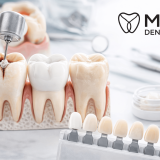
- The implant post (the titanium piece placed in the jawbone). This is the part most commonly excluded. Many plans classify it as cosmetic or elective, even though it’s restoring lost function, not just appearance.
- The abutment and crown. Some plans cover a percentage of the crown portion, treating it similarly to a crown on a natural tooth, even when they exclude the implant itself.
- Bone grafting or sinus lift procedures. Coverage here varies widely. Some plans cover these as medically necessary if there’s documented bone loss; others treat them as part of the excluded implant package.
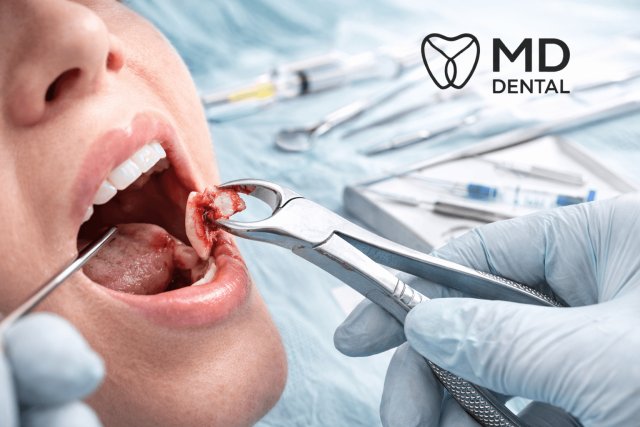
- Extractions prior to implant placement. These are often covered at a higher rate than the implant itself, since extraction is a long-standing covered procedure independent of what replaces the tooth.
- Full mouth dental implants and full arch restorations. Larger cases involving multiple implants or a full arch tend to get less proportional coverage, not more, since the dollar amounts involved are higher and insurers apply annual maximums that get used up quickly.
Dental Insurance Plans With Implant Coverage: What to Actually Look For
Not every plan that says it covers implants offers the same thing in practice. When comparing insurance plans that cover dental implants, a few specific things are worth checking before assuming a plan will help.
- Annual maximum. Most dental insurance plans for implants cap total annual benefits somewhere between $1,000 and $2,000. A single implant can cost $990 to $5,000 before any insurance applies, so even strong percentage coverage often gets capped out quickly by the annual maximum.
- Waiting periods. Many plans require six to twelve months of active enrollment before major procedures, including implants, are covered at all. If you’re shopping for insurance specifically to help with an upcoming implant, this detail can mean the policy doesn’t help with your timeline.
- Missing tooth clauses. Some policies exclude coverage for teeth that were already missing before the policy started. If you’ve been without a tooth for years and are now looking into implants, read this section of any plan closely before assuming it applies to you.
- Percentage breakdown by category. Insurances that cover dental implants typically place the procedure under “major services,” reimbursed at a lower percentage (often 50%) compared to basic services (70 to 80%) or preventive care (100%).
Best Dental Insurance for Dental Implants: A Realistic List
There’s no single best dental insurance for dental implants that works for everyone, since coverage depends heavily on the specific plan tier you select, not just the carrier name. That said, a few providers are consistently mentioned for offering plans with at least partial implant coverage on their higher tiers.
- Delta Dental has several PPO plans that include implant coverage on higher tiers, typically reimbursing 50% after a waiting period, subject to the annual maximum.
- Cigna Dental offers certain plans that include implants under major services, though coverage percentages and waiting periods vary by state and plan level.
- MetLife covers a portion of implant-related procedures on some plans, particularly the crown and abutment, with surgical placement sometimes covered separately.
- Guardian Direct explicitly lists implants as a covered major service on a few of their plans rather than excluding them outright, which is less common across the industry.
- Humana includes implant coverage on certain premium tiers, usually paired with a longer waiting period than their basic plans.
- United Concordia offers some plans, particularly those through employer groups, with partial implant coverage as part of a broader major services category.
This list isn’t exhaustive, and coverage details change often. The only reliable way to know what a specific plan actually covers is to call the insurer and ask about implant coverage by CDT code, the standard dental procedure codes, rather than relying on marketing language about “implant coverage” in general.
Dental Insurance in Florida: What’s Different Locally
Dental insurance in Florida follows the same general national patterns, but a few state-specific details matter. Florida doesn’t mandate dental coverage for adults the way it does for children under most health plans, so adult dental coverage, including implant coverage, is almost always a separate, optional purchase rather than something bundled automatically into health insurance.
Florida residents looking for dental insurance plans for implants should also be aware that several national carriers offer Florida-specific plan tiers with different waiting periods and annual maximums than their plans in other states. If you’re comparing options, confirm you’re looking at the Florida-specific plan documents rather than a generic national overview.
Does Medical Insurance Ever Cover Dental Implants?
In specific circumstances, yes. Health insurance for dental implants typically isn’t standard, since most medical plans exclude dental procedures entirely. The exceptions tend to involve trauma or medical necessity: a tooth lost in an accident covered under a medical claim, implant treatment required as part of reconstruction after cancer treatment, or cases where tooth loss is directly tied to a documented medical condition rather than general dental decay.
If your situation involves trauma or a clear medical cause for tooth loss, ask both your dental and medical insurance providers whether either covers part of the procedure under a medical necessity exception. This isn’t common, but it happens often enough to be worth a phone call before assuming the answer is no.
What If Your Insurance Doesn’t Cover Enough?
This is the situation most patients actually find themselves in. A few realistic paths forward exist.
Financing through third-party partners is widely available and lets patients spread the cost over monthly payments rather than paying everything upfront. Many clinics, including ours, work with financing partners specifically because most patients paying to get dental implants are covering most or all of the cost out of pocket.
Insurance assistance programs, separate from traditional insurance, exist at many implant-focused practices specifically because of how limited standard coverage usually is. At MD Dental, our Insurance Assurance program lets patients bring their existing dental insurance card to their consultation and save up to $5,000 on double arch treatment, regardless of what their specific policy actually covers for implants.
For patients considering full mouth dental implants, including All-on-4 dental implants for a full arch restoration, these savings programs often matter more than standard insurance, since full arch cases tend to exceed annual insurance maximums regardless of the plan.
Talk Through Your Specific Coverage Before You Decide Anything
Every insurance situation is different, and reading general information online only gets you so far. The most useful next step is a real conversation about your specific policy, your specific case, and what it would actually cost after any insurance and savings programs are applied. MD Dental offers a free consultation for dental implants, where our team reviews your insurance card directly and gives you a clear, itemized breakdown rather than a vague estimate.
The Bottom Line
Are teeth implants covered by dental insurance? Partially, for some plans, under specific conditions, and almost never in full. The implant post itself is the part most commonly excluded, while crowns, extractions, and sometimes grafting see better coverage rates. Full coverage dental insurance that covers implants completely is rare enough that most patients should plan around partial coverage at best, with financing or a savings program filling the gap.
If you’ve been putting off getting dental implants because you assumed insurance would cover little to nothing, you’re not wrong that coverage is usually limited. But limited coverage plus a savings program is a very different number than no help at all. MD Dental provides advanced dentistry services in Fort Lauderdale, Pompano Beach, and the fastest way to know exactly where you stand is to bring your insurance card to a consultation and get real numbers instead of guesses.